

TL;DR
Thailand has welcomed a new UNESCO World Heritage Site. Wat Phra Mahathat Woramahawihan in Nakhon Si Thammarat was officially inscribed on the UNESCO World Heritage List in July 2026, becoming Thailand’s ninth World Heritage property. Recognized for more than 1,500 years of living Buddhist traditions and its remarkable architectural influence across Southeast Asia, the sacred temple now takes center stage in the Tourism Authority of Thailand’s year-long “The Twelve Sacred Discoveries Nakhon Si Thammarat: A Journey to World Heritage” campaign, inviting travelers to experience authentic culture, history, and faith in Southern Thailand.
Wat Phra Mahathat Woramahawihan in Nakhon Si Thammarat has officially been inscribed on the UNESCO World Heritage List, becoming Thailand’s ninth World Heritage property and the country’s sixth cultural World Heritage Site. The recognition celebrates one of Southeast Asia’s most significant Buddhist landmarks, whose history, architecture, and spiritual traditions have shaped the region for centuries.
For travelers seeking an authentic Thailand beyond the country’s famous beaches and bustling cities, there has never been a better time to discover Nakhon Si Thammarat.
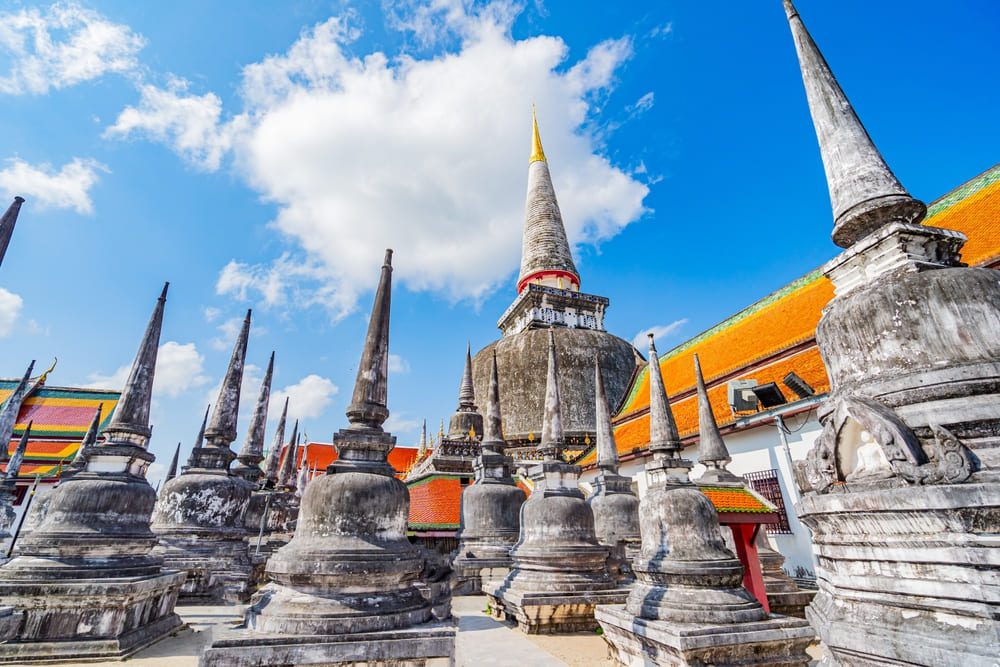
Thailand’s Newest UNESCO World Heritage Site
The inscription was officially approved during the 48th Session of the UNESCO World Heritage Committee, held in Busan, Republic of Korea, following a recommendation from the International Council on Monuments and Sites (ICOMOS).
The proposal highlighted the temple’s Outstanding Universal Value as an architectural masterpiece reflecting centuries of cultural and artistic exchange across Southeast Asia. UNESCO recognized the site under criteria (ii) and (vi) for its exceptional influence on regional Buddhist architecture and its continuing role as a center of living religious traditions.
Founded in the eighth century, Wat Phra Mahathat Woramahawihan has served as one of the region’s most important Buddhist monasteries for more than 1,500 years.
Its architecture reflects influences from northeastern India, central Java, Sri Lanka, and the Mon region of southern Myanmar, creating a unique artistic style that would later inspire temples throughout Thailand and Southeast Asia.
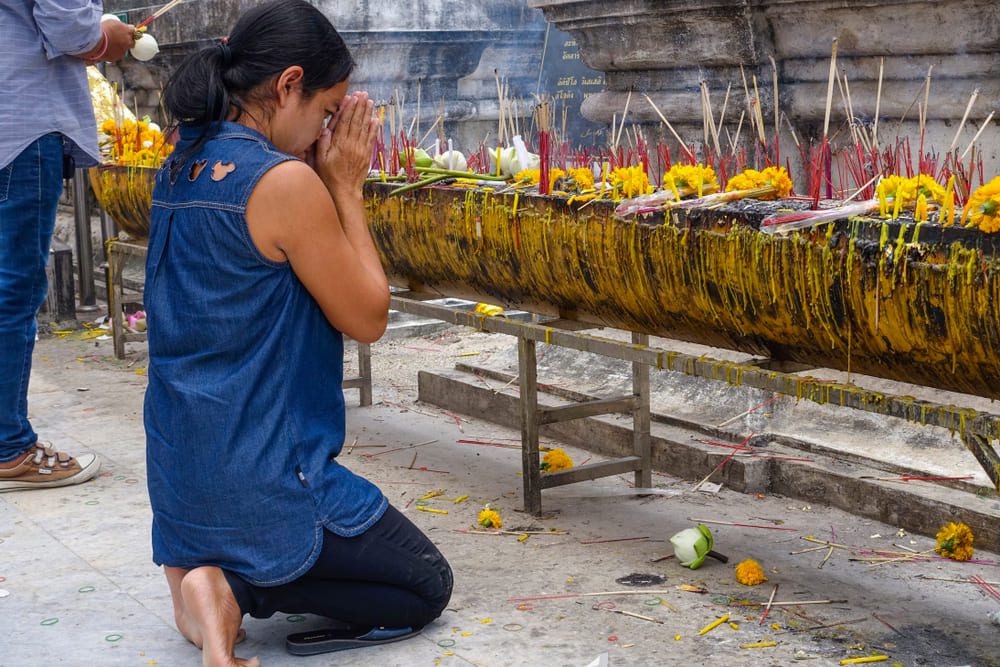
A Living Heritage That Continues Today
Unlike many historic monuments, Wat Phra Mahathat Woramahawihan remains an active place of worship where centuries-old traditions continue to thrive.
Visitors can witness enduring cultural practices including:
- The annual cloth-wrapping ceremony for the Great Reliquary
- Traditional Nora dance drama performances
- Buddhist ceremonies and merit-making
- Meditation and religious observances
- Local festivals that continue to bring together communities throughout the year
These traditions have been preserved for generations, making the monastery not only a remarkable historic landmark but also a vibrant center of faith and community life.
Celebrating Southern Thailand’s First UNESCO World Heritage Site
As Southern Thailand’s first UNESCO World Heritage Site, Wat Phra Mahathat Woramahawihan represents an important milestone for the region.
To celebrate the inscription, Nakhon Si Thammarat hosted a province-wide celebration featuring cultural performances, merit-making ceremonies, Buddhist chanting, meditation sessions, exhibitions, and performances of both Nora and Khon, which UNESCO recognizes as Intangible Cultural Heritage of Humanity.
Visitors also had the opportunity to commemorate the occasion through a special photo installation at the temple, capturing the moment Thailand welcomed its newest World Heritage Site.
Discover the Temple Through Every Season
The Tourism Authority of Thailand (TAT) is inviting travelers to experience the destination year-round through “The Twelve Sacred Discoveries Nakhon Si Thammarat: A Journey to World Heritage.”
This campaign is centered around the theme: “Discover the Past. Share the Faith. Shape the Future.”
The campaign explores different aspects of the temple and province throughout the year—from sacred architecture and Buddhist teachings to local wisdom, seasonal traditions, and the stories that have shaped Nakhon Si Thammarat for centuries.
Inspired by the local saying that “everyone should pay homage to Phra That of Nakhon Si Thammarat at least once in their lifetime,” the initiative encourages visitors to deepen their understanding of Thailand’s living heritage while supporting responsible tourism, heritage conservation, and local communities.
Why Visit Nakhon Si Thammarat?
While the UNESCO inscription shines a global spotlight on Wat Phra Mahathat Woramahawihan, a visit to Nakhon Si Thammarat offers much more than a single landmark.
The province is home to beautiful beaches, such as Khanom Beach, Nai Phlao Beach, and Ao Thong Yi; lush mountains; vibrant local markets; traditional crafts; authentic Southern Thai cuisine; and centuries-old cultural traditions that remain deeply woven into everyday life.
Travelers can combine their visit to the UNESCO World Heritage Site with opportunities to explore local villages, experience Southern Thailand’s renowned hospitality, and discover one of the country’s most culturally rich yet lesser-known destinations.
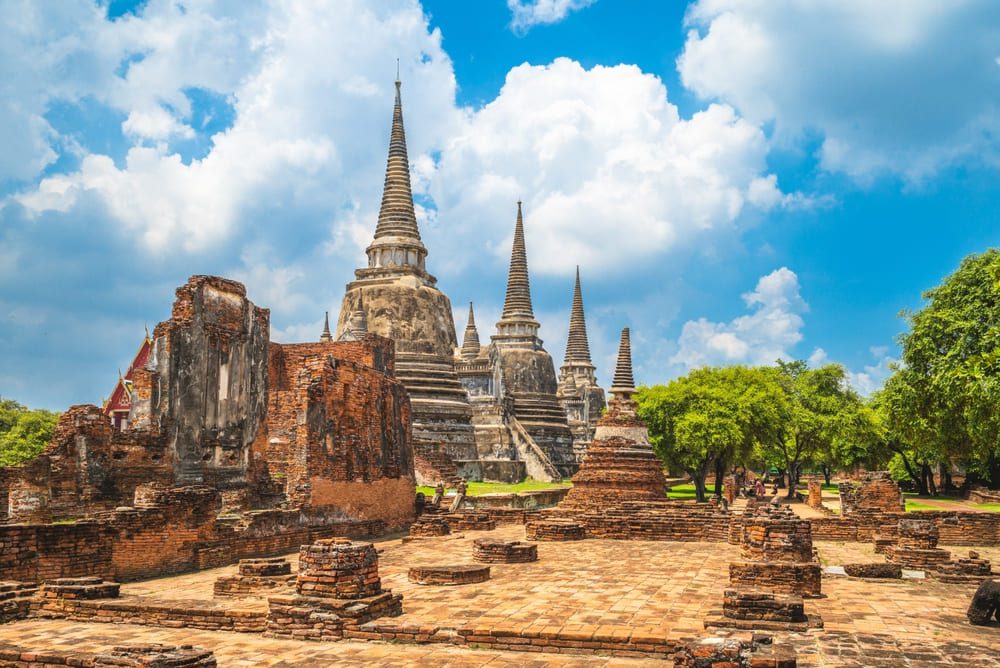
Thailand’s Growing UNESCO World Heritage Collection
With the addition of Wat Phra Mahathat Woramahawihan, Thailand now has nine UNESCO World Heritage properties:
Cultural Sites
- Wat Phra Mahathat Woramahawihan
- Historic City of Ayutthaya
- Historic Town of Sukhothai and Associated Historic Towns
- Ban Chiang Archaeological Site
- Ancient Town of Si Thep and its Associated Dvaravati Monuments
- Phu Phrabat
Natural Sites
- Thungyai-Huai Kha Khaeng Wildlife Sanctuaries
- Dong Phayayen-Khao Yai Forest Complex
- Kaeng Krachan Forest Complex
Together, these sites showcase Thailand’s cultural heritage and natural landscapes.
Experience Thailand’s Living Heritage
The UNESCO inscription of Wat Phra Mahathat Woramahawihan celebrates a living tradition that continues to inspire communities today.
Whether you’re fascinated by Buddhist history, architecture, cultural heritage, or meaningful travel experiences, Nakhon Si Thammarat offers an opportunity to connect with one of Thailand’s most sacred places while supporting the preservation of traditions that have endured for more than a millennium.
As Thailand celebrates its newest UNESCO World Heritage Site, there’s never been a better time to experience the history, spirituality, and culture that make Wat Phra Mahathat Woramahawihan a destination unlike
FAQ
What is Thailand’s newest UNESCO World Heritage Site?
Wat Phra Mahathat Woramahawihan in Nakhon Si Thammarat became Thailand’s newest UNESCO World Heritage Site in July 2026, recognized for its Outstanding Universal Value and more than 1,500 years of Buddhist heritage.
Why is Wat Phra Mahathat Woramahawihan important?
The temple has been a major Buddhist center since the eighth century and influenced religious architecture across Southeast Asia. It continues to host centuries-old traditions, ceremonies, and cultural performances.
Where is Wat Phra Mahathat Woramahawihan located?
The temple is located in Nakhon Si Thammarat Province in Southern Thailand, making it the region’s first UNESCO World Heritage Site.
What is “The Twelve Sacred Discoveries Nakhon Si Thammarat” campaign?
It is a year-round Tourism Authority of Thailand initiative encouraging visitors to explore the province’s Buddhist heritage, cultural traditions, architecture, and local communities through seasonal experiences.any other.