

TL;DR
Thailand is one of Southeast Asia’s best destinations for stargazing, with certified Dark Sky Parks, mountain viewpoints, island escapes, and astronomy centers located throughout the country. From the peaks of Chiang Mai to family-friendly planetariums in Bangkok, travelers can experience spectacular night skies in every region in Thailand. This guide highlights where to go, when to visit, and what else to see nearby.
Why Go Stargazing in Thailand?
Thailand is known for its tropical beaches, lush jungles, ancient temples, and vibrant cities, but after sunset, a different side of the kingdom comes into view. Away from the glow of urban lights, Thailand offers clear night skies where visitors can admire constellations, planets, meteor showers, and even the Milky Way.
The country’s growing Amazing Dark Sky in Thailand initiative has helped protect some of Thailand’s most beautiful nighttime landscapes by recognizing destinations that reduce light pollution while promoting astronomy education and sustainable tourism. These certified locations include national parks, mountain communities, resorts, observatories, and cultural attractions, making it easier than ever to incorporate stargazing into your Thailand itinerary.
Whether you’re an avid astrophotographer, a family looking for an educational adventure, or searching for a peaceful way to experience nature, Thailand offers stargazing opportunities in every region.
Best Stargazing Spots in Thailand at a Glance
| Region | Province | Destination | Best For |
| Northern Thailand | Chiang Mai | Ban Wat Chan Forest Park | Milky Way viewing & astrophotography |
| Northern Thailand | Chiang Mai | Doi Inthanon National Park | Mountain scenery & overnight camping |
| Northern Thailand | Mae Hong Son | Tham Pla–Pha Suea National Park | Peaceful mountain escapes |
| Northeastern Thailand | Khon Kaen | Phu Wiang National Park | Families & dinosaur enthusiasts |
| Northeastern Thailand | Chaiyaphum | Tat Ton National Park | Waterfalls & dark skies |
| Northeastern Thailand | Chaiyaphum | Sai Thong National Park | Cliff views & camping |
| Northeastern Thailand | Sakon Nakhon | Phu Pha Yon National Park | Ecotourism & astronomy |
| Central Thailand | Nakhon Ratchasima | Khao Yai National Park | Easy weekend trip from Bangkok |
| Central Thailand | Nakhon Ratchasima | Makut Kiriwan Temple | Culture & stargazing |
| Eastern Thailand | Trat | Soneva Kiri, Koh Kood | Luxury island escape |
| Eastern Thailand | Chon Buri | Khao Kheow Open Zoo | Family-friendly astronomy |
| Southern Thailand | Phang Nga | Bo Saen Villa & Spa | Wellness & relaxation |
| Southern Thailand | Phang Nga | Ahti Garden Camping | Outdoor adventure |
| Southern Thailand | Phuket | Dara Cuisine, Phuket | Dining under the stars |
Northern Thailand: Mountain Peaks Beneath Brilliant Skies
Ban Wat Chan Forest Park, Chiang Mai
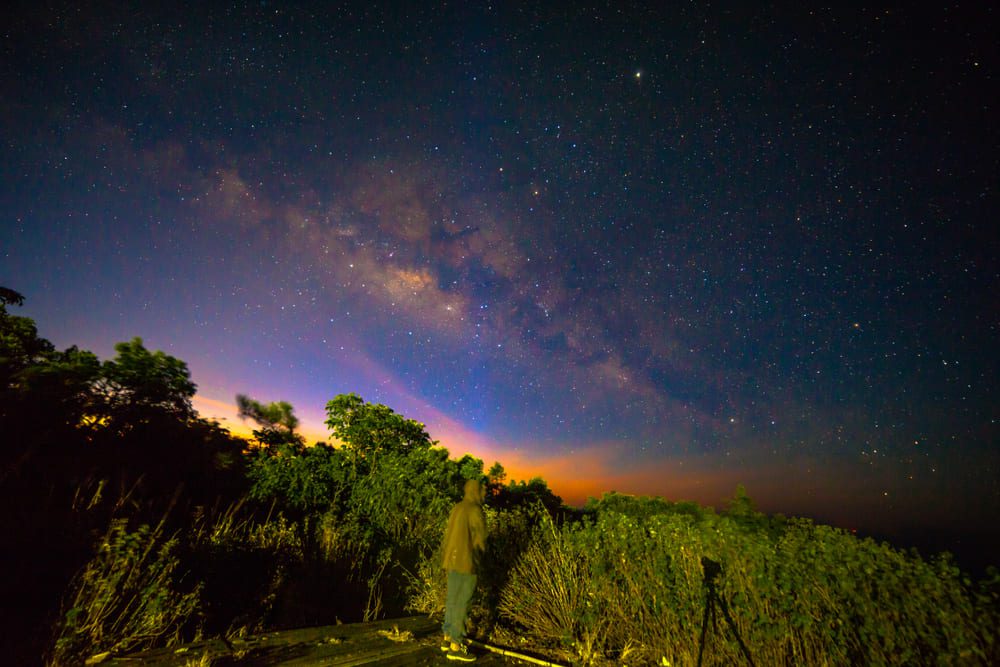
Perched in the mountains of Chiang Mai Province, Ban Wat Chan Forest Park is considered one of Thailand’s premier dark sky destinations. Cool temperatures, high elevation, and remarkably low light pollution create ideal conditions for viewing the Milky Way, constellations, and annual meteor showers. Surrounded by towering pine forests, the park offers a peaceful setting where visitors can disconnect and appreciate the beauty of the night sky.
While you’re here, you can spend the day exploring scenic mountain roads, visiting local Karen communities, or hiking through the surrounding forest before settling in for an unforgettable evening beneath the stars.
Doi Inthanon National Park, Chiang Mai
Home to Thailand’s highest peak, Doi Inthanon National Park offers spectacular scenery all day and night. Once the sun sets, the park’s elevated viewpoints provide excellent visibility for stargazing on clear nights. It’s an ideal destination for travelers who want to combine astronomy with hiking, birdwatching, and waterfall exploration.
Before nightfall, visit the Royal Twin Pagodas, Wachirathan Waterfall, or hike the Ang Ka Nature Trail. Staying overnight allows you to experience both sunrise above the clouds and a sky filled with stars.
Tham Pla–Pha Suea National Park, Mae Hong Son
On the mountains near Thailand’s northwestern border, Tham Pla–Pha Suea National Park offers one of the country’s most tranquil nighttime experiences. The park’s remote location minimizes light pollution, allowing thousands of stars to shine brightly. Its quiet forests and mountain scenery create a memorable backdrop for anyone looking to reconnect with nature.
Visitors can also explore fish caves, scenic waterfalls, and nearby hot springs before ending the day with an evening of stargazing.
Northeastern Thailand (Isan): Wide-Open Skies and Natural Wonders
Phu Wiang National Park, Khon Kaen
Known for its dinosaur fossils, Phu Wiang National Park offers visitors the chance to explore millions of years of history by day and the stars by night. The park’s open landscapes and dark skies provide excellent conditions for viewing constellations and seasonal celestial events. It’s a wonderful destination for families interested in combining science, nature, and outdoor adventure.
After exploring fossil excavation sites and nature trails, stay into the evening to enjoy one of Isan’s most peaceful stargazing experiences.
Tat Ton National Park, Chaiyaphum
Tat Ton National Park is famous for its picturesque waterfalls, but at night it reveals another natural attraction. Away from major cities, the park enjoys dark skies where visitors can observe stars, planets, and meteor showers year-round. Camping overnight adds another layer to the experience, allowing travelers to enjoy both the sounds of nature and the beauty of the night sky.
During the day, cool off at the waterfalls or explore the park’s walking trails before settling in for an evening under the stars.
Sai Thong National Park, Chaiyaphum
Sai Thong National Park is one of northeastern Thailand’s most photogenic destinations, with the seasonal blooms of Siam tulips and expansive mountain views. Its elevated viewpoints and limited light pollution also make it a favorite for astrophotography. On moonless nights, the Milky Way stretches across the sky, creating spectacular photo opportunities.
Camping is one of the best ways to experience the park, giving visitors a front-row seat to both sunrise and the star-filled skies above.
Phu Pha Yon National Park, Sakon Nakhon
One of Thailand’s certified Dark Sky Parks, Phu Pha Yon National Park showcases the country’s commitment to preserving natural night skies. Dense forests surround open viewing areas where visitors can enjoy peaceful evenings beneath the constellations. The park is ideal for travelers seeking a quieter alternative to Thailand’s more popular national parks.
Its serene atmosphere makes it appealing for astronomy enthusiasts, photographers, and anyone looking to slow down and enjoy nature.
Central Thailand: Easy Stargazing Getaways
Khao Yai National Park
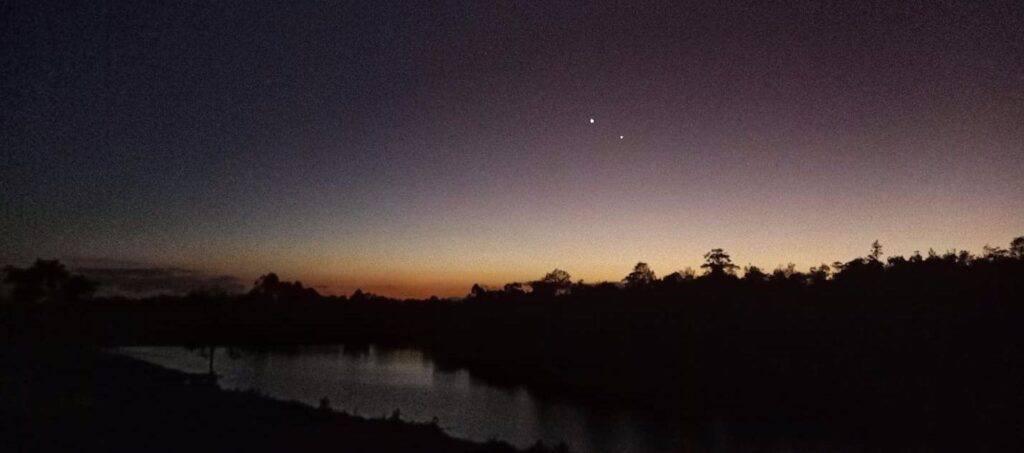
Just a few hours from Bangkok, Khao Yai National Park is one of Thailand’s most accessible destinations for dark sky tourism. As a UNESCO World Heritage Site, the park is known for wildlife, waterfalls, and lush forests, while its relatively low light pollution makes it a perfect place to admire the stars after dark.
Spend the day hiking to Haew Suwat Waterfall, or exploring scenic viewpoints before relaxing beneath one of central Thailand’s clearest night skies.
Makut Kiriwan Temple, Nakhon Ratchasima
Makut Kiriwan Temple offers a unique opportunity to combine cultural heritage with astronomy. Recognized as a Dark Sky Community, the temple and surrounding area have embraced responsible lighting practices that preserve the beauty of the night sky. Visitors can enjoy a peaceful evening of reflection while gazing at the stars in a serene natural setting.
Khao Yai’s proximity also makes this an easy addition to a longer itinerary in central Thailand.
Eastern Thailand: Coastal Escapes Under the Stars
Soneva Kiri, Koh Kood, Trat
Located on Koh Kood, Soneva Kiri offers one of Thailand’s most luxurious stargazing experiences. The resort’s remote location minimizes light pollution, allowing guests to enjoy exceptional views of the Milky Way from the beach or dedicated observation areas. Guided astronomy experiences add another dimension to an already unforgettable island getaway.
Spend your days snorkeling, kayaking, or relaxing on pristine beaches before discovering the stars after sunset.
Khao Kheow Open Zoo, Chon Buri
Khao Kheow Open Zoo has earned recognition as a Dark Sky Suburb for its efforts to balance conservation with responsible lighting. In addition to caring for wildlife, the zoo hosts astronomy programs and telescope viewing events that make stargazing accessible to visitors of all ages.
Its convenient location near Bangkok and Pattaya makes it an excellent choice for families looking to combine wildlife encounters with an evening of astronomy.
Southern Thailand: Tropical Nights Beneath the Milky Way
Bo Saen Villa & Spa, Phang Nga
Surrounded by limestone mountains, Bo Saen Villa & Spa provides a peaceful retreat where visitors can enjoy Thailand’s natural night skies. The property’s Dark Sky certification reflects its commitment to minimizing light pollution while creating memorable guest experiences. Evenings are perfect for unwinding beside a private villa before stargazing.
Nearby Phang Nga Bay, sea caves, and island-hopping excursions make it easy to combine daytime adventure with nighttime relaxation.
Athi Garden Camping, Phang Nga
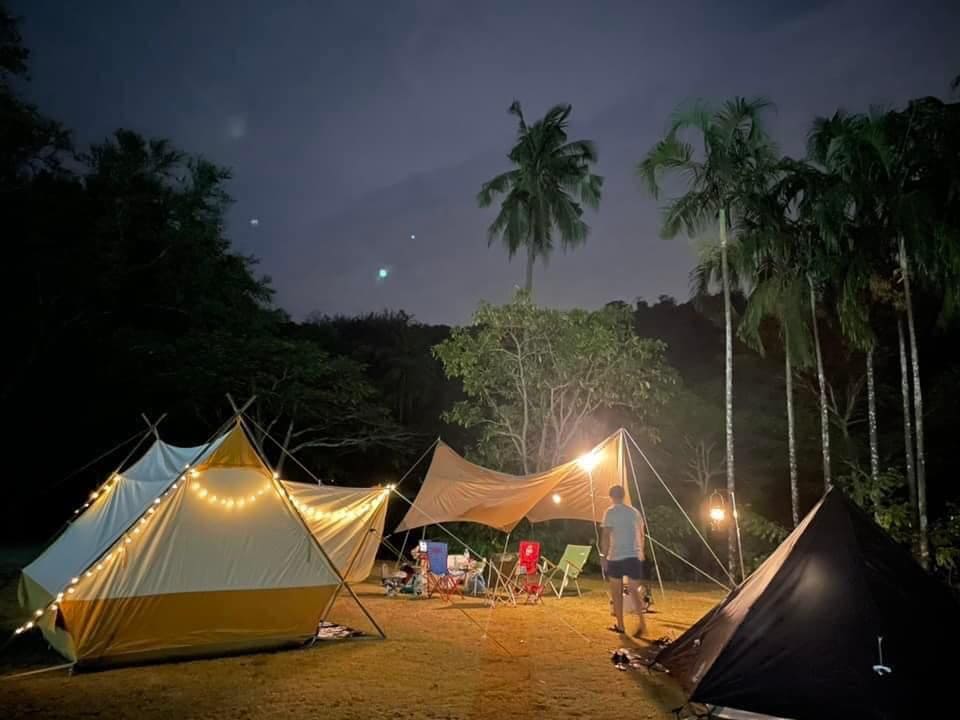
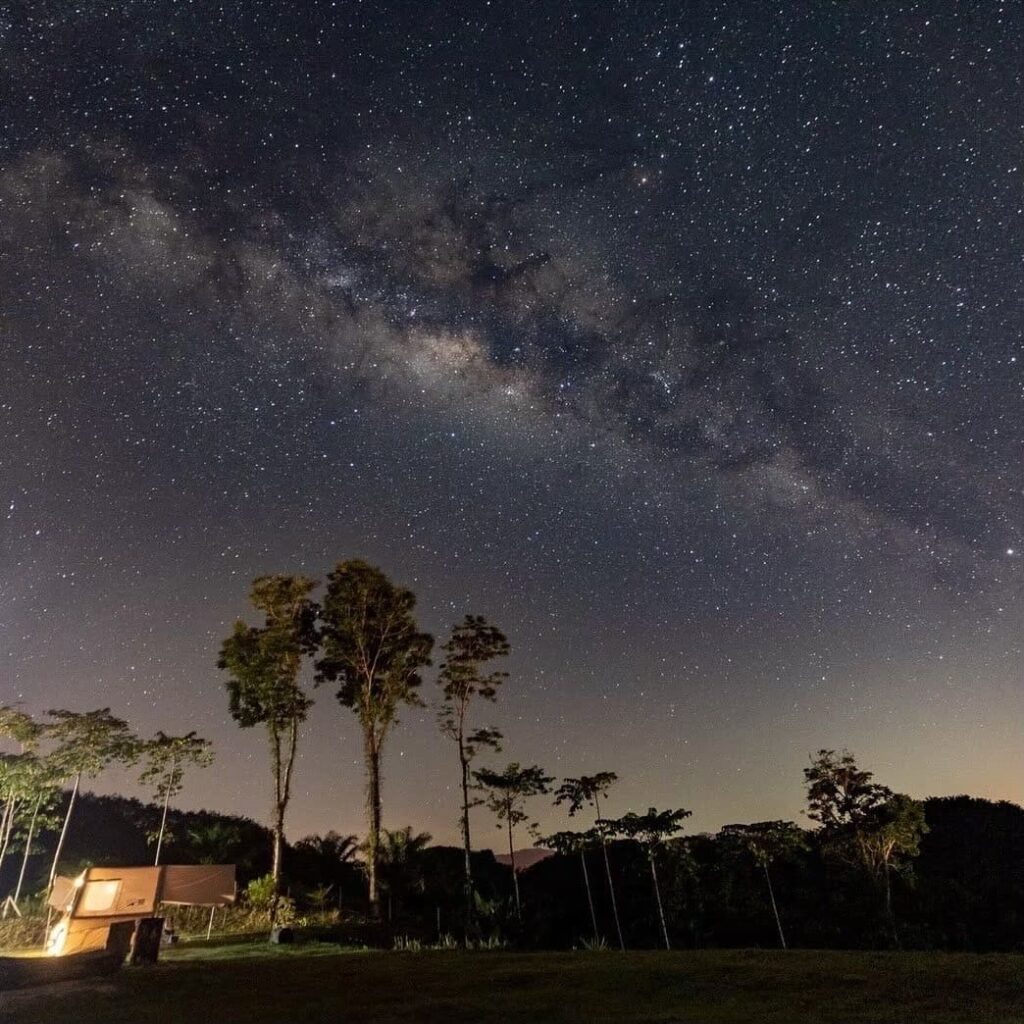
For travelers who prefer sleeping beneath the stars, Athi Garden Camping offers one of southern Thailand’s most memorable outdoor experiences. Wide-open skies and limited artificial lighting provide excellent conditions for spotting constellations and seasonal meteor showers. Gather around a campfire, enjoy the sounds of nature, and watch the Milky Way emerge overhead.
It’s an ideal destination for campers, photographers, and anyone looking to disconnect from city life.
Dara Cuisine, Phuket
Although Phuket is famous for its vibrant nightlife, Dara Cuisine demonstrates that the island also offers opportunities to appreciate the natural beauty of the night sky. As part of Thailand’s Dark Sky initiative, the venue promotes responsible lighting while providing a relaxing setting for visitors to enjoy authentic southern Thai cuisine beneath the stars.
After exploring Phuket’s beaches, Old Town, or nearby viewpoints, enjoy an evening that showcases a quieter side of the island.
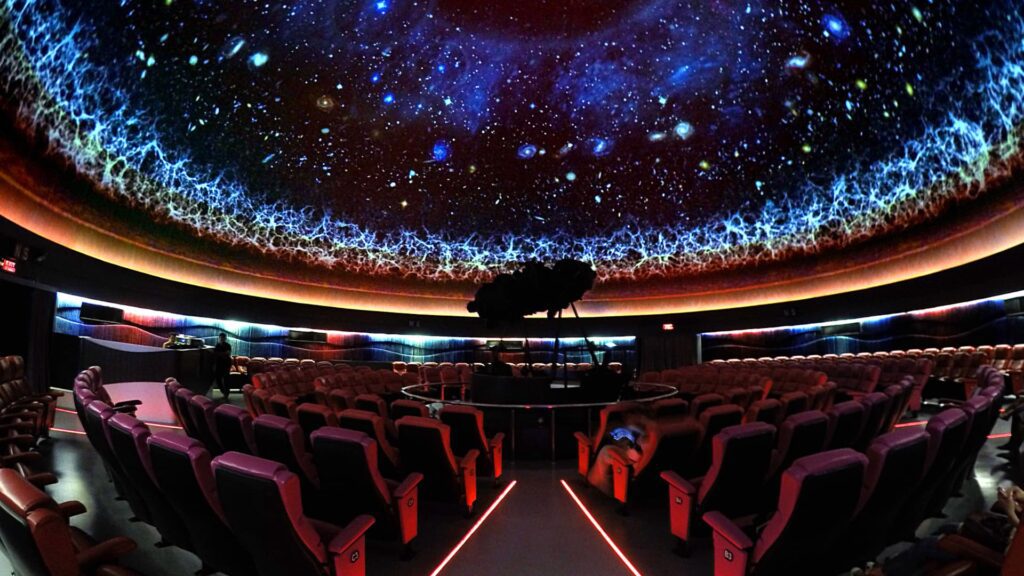
Planetariums and Astronomy Centers in Thailand
If cloudy weather interrupts your plans or you’d like to learn more about the universe before heading into the great outdoors, Thailand’s astronomy centers offer engaging experiences for visitors of all ages.
Princess Sirindhorn AstroPark (Chiang Mai)
Operated by the National Astronomical Research Institute of Thailand (NARIT), Princess Sirindhorn AstroPark is the country’s leading astronomy center. Visitors can explore interactive exhibits, observe celestial objects through professional telescopes, and participate in public stargazing events throughout the year.
Bangkok Planetarium
One of Southeast Asia’s oldest planetariums, Bangkok Planetarium has inspired generations of visitors since 1964. Its immersive dome theater and interactive exhibits make learning about space both educational and entertaining, making it a great stop for families and curious travelers alike.
Regional NARIT Observatories
NARIT also operates regional observatories in Nakhon Ratchasima, Chachoengsao, Songkhla, and Khon Kaen. These facilities regularly host telescope viewing nights, astronomy workshops, and special programs during celestial events, offering travelers more opportunities to engage with Thailand’s growing astronomy community.
Best Stargazing Destinations by Travel Style
- Best for first-time visitors: Khao Yai National Park
- Khao Yai is one of the most accessible places to experience Thailand’s night skies. Visitors can combine stargazing with hiking, wildlife watching, waterfalls, and other daytime adventures for a well-rounded nature escape.
- Best for seeing the Milky Way: Ban Wat Chan Forest Park
- With its high elevation, cool mountain climate, and minimal light pollution, Ban Wat Chan is an excellent destination for viewing the Milky Way. The surrounding pine forests and remote setting also make it particularly appealing to photographers looking to capture the night sky.
- Best for mountain scenery: Doi Inthanon National Park
- Thailand’s highest mountain offers spectacular landscapes from sunrise to sunset, followed by clear views of the stars on suitable nights. Travelers can spend the day exploring waterfalls, nature trails, and mountain viewpoints before settling in for an evening of stargazing.
- Best luxury experience: Soneva Kiri
- For travelers who want to pair stargazing with a luxurious island getaway, Soneva Kiri offers an unforgettable experience on Koh Kood. Its remote setting helps minimize light pollution, while dedicated astronomy experiences allow guests to learn more about the stars and planets.
- Best camping experience: Ahti Garden Camping
- Ahti Garden Camping is ideal for travelers who want to get close to nature and sleep beneath a sky filled with stars. With open skies and limited artificial light, the campsite provides a memorable setting for watching constellations and meteor showers.
- Best family outing: Khao Kheow Open Zoo
- Khao Kheow Open Zoo combines wildlife education with astronomy, making it a fun choice for families traveling with children. Its astronomy programs and telescope viewing opportunities give young visitors an engaging introduction to the night sky.
- Best educational experience: Princess Sirindhorn AstroPark
- Princess Sirindhorn AstroPark is the perfect destination for travelers who want to understand what they’re seeing in the night sky. Operated by the National Astronomical Research Institute of Thailand (NARIT), the center features interactive exhibits, astronomy programs, and opportunities to observe celestial objects through professional telescopes.
Frequently Asked Questions
When is the best time to go stargazing in Thailand?
The dry season, typically from November to April, offers the clearest skies for stargazing. Planning your visit during a new moon will provide the darkest conditions for viewing stars, planets, and the Milky Way.
Can you see the Milky Way in Thailand?
Yes. On clear, moonless nights, the Milky Way is visible from many of Thailand’s certified Dark Sky destinations, especially mountain parks, remote forests, and coastal areas with minimal light pollution.
Does Thailand have Dark Sky Parks?
Yes. Through the Amazing Dark Sky in Thailand initiative, Thailand recognizes Dark Sky Parks, Communities, Properties, and Conservation Areas that protect natural night skies while promoting sustainable tourism and astronomy education.
Are there planetariums in Thailand?
Absolutely. Visitors can explore the Bangkok Planetarium, the Princess Sirindhorn AstroPark in Chiang Mai, and NARIT-operated regional observatories across the country.
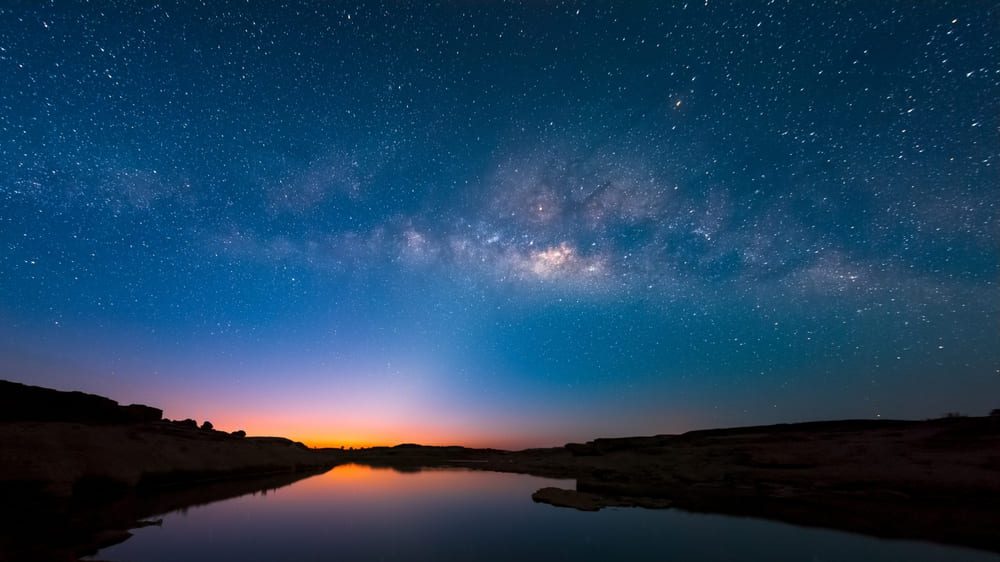
Discover Thailand After Dark
From mountain peaks in the north and peaceful forests in Isan to island resorts in the east and tropical retreats in the south, Thailand offers extraordinary opportunities to experience the wonders of the night sky.
Whether you’re photographing the Milky Way, introducing your family to astronomy, or simply looking for a quiet moment beneath the stars, Thailand’s growing network of Dark Sky destinations invites travelers to see the country from an entirely new perspective. On your next journey, be sure to look up; you may discover that some of Thailand’s most unforgettable experiences begin after sunset.