

If there’s one food that tells the story of Thailand’s past, present, and collective spirit, it might just be noodles. Humble yet versatile, noodles are woven deeply into Thailand’s cultural fabric — representing national unity, resilience, and the blending of global influence with local ingenuity. From street-side stalls to upscale dining, noodles are comfort, identity, and tradition all on one plate.
But how did noodles become such an integral part of Thai cuisine? To understand their place in Thailand’s culinary scene, we need to follow the strands, starting with its history.

Thai Noodles: A History of Unity and Identity
While noodles were not originally invented in Thailand, they have been adapted and transformed into a distinctly Thai dish. It reflects Thailand’s historical evolution, open to influence yet rooted in adaptation.
One of the most iconic expressions of this is Pad Thai, a stir-fried noodle dish that became a symbol of national identity in the 1930s and 1940s. At the time, Thailand was undergoing major political and cultural shifts. Prime Minister Plaek Phibunsongkhram sought to foster a sense of Thai unity and cultural pride during a period of national reform. As part of his campaign to promote Thai heritage and reduce rice consumption, he encouraged the popularization of rice noodles seasoned with local ingredients such as tamarind, fish sauce, peanuts, and lime.
Pad Thai became a national dish, promoted by street vendors across the country as a symbol of unity and modernization. While the dish is now enjoyed globally, its origins reflect how food can shape a nation’s culture and identity.
The Many Types of Thai Noodles
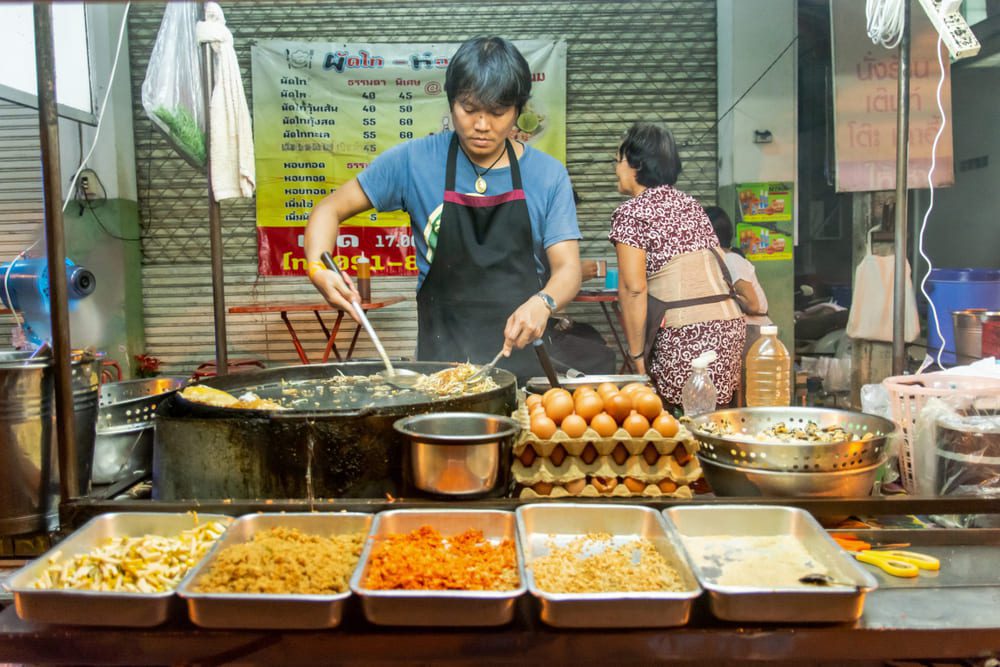
Throughout Thailand, noodles are served in a variety of forms at local markets and street food vendors. vendors, and in different regions. Each region offers its own distinctive ingredients and preparation, and flavor profiles.
Here’s a guide to the most well-known and distinct types of noodles found throughout Thailand:
Rice Noodles
Rice noodles are one of the most widely used ingredients in Thai cuisine. Made from rice flour and water, they come in a variety of shapes and thicknesses, ranging from thin vermicelli-style strands to broad, flat noodles. Their soft texture and neutral flavor make them highly versatile, allowing them to absorb the rich sauces, broths, and seasonings commonly found in Thai dishes.
Egg Noodles (Ba Mee)
Yellow egg noodles are another type of noodle in Thailand, known for their slightly chewy texture and rich flavor. Made from wheat flour and eggs, they are used in both soup-based and dry noodle dishes. These noodles are especially popular in dishes such as Ba Mee Haeng, which is served with sauce and toppings, and Ba Mee Nam, an egg noodle soup. They are often paired with ingredients like leafy greens, roasted pork, wontons, or crispy pork belly, creating a hearty and flavorful meal.
Flat Noodles (Kuay Tiew)
Flat rice noodles are a staple in many Thai stir-fried noodle dishes due to their soft yet slightly chewy texture and ability to absorb sauces effectively. Their wide surface area allows them to hold rich seasonings, oils, and broths, making them perfect for bold, flavorful dishes. It’s most famously used in Pad Kee Mao, where they are stir-fried with garlic, chili, Thai basil, vegetables, and protein for a spicy, aromatic dish. They are also commonly featured in dishes like Pad See Ew.
Thin Wheat Noodles (Mee Sua)
These thin wheat noodles have a soft yet springy texture similar to ramen. Made from wheat flour, they are commonly found in Northern Thailand, where regional cuisine has been influenced by neighboring countries and Chinese culinary traditions. These noodles are frequently served in flavorful broths infused with herbs, spices, and slow-cooked meats, allowing their light texture to complement richer, aromatic flavors. Mee Sua is especially popular in comforting noodle soups and is often topped with vegetables, braised meats, or fragrant garnishes such as fried garlic and fresh herbs.
Glass Noodles (Woon Sen)
Glass noodles are thin, translucent noodles typically made from mung bean or sweet potato starch, which give them a soft, delicate texture when cooked. Popular throughout Thailand, they are valued for their ability to absorb the flavors of broths, sauces, and seasonings while maintaining a light, silky consistency. They are used in dishes such as Yum Woon Sen, a spicy and tangy Thai glass noodle salad often mixed with herbs, seafood, minced pork, and fresh vegetables. Glass noodles are also frequently stir-fried with seafood, vegetables, and savory sauces, making them a versatile ingredient used in both refreshing salads and hearty cooked dishes.
The Role of Noodles in Daily Life
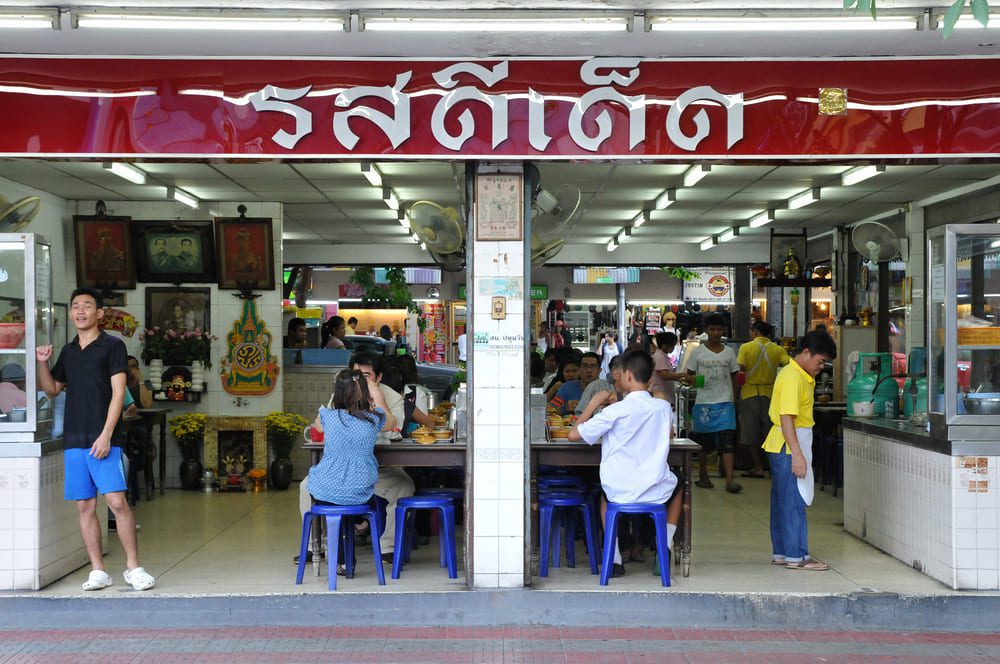
Noodles are common in daily meals in Thailand and are widely consumed across all regions. They are sold by street vendors throughout the day, from morning to late evening, and are frequently chosen for their convenience and affordability. As a result, noodles are a regular part of many people’s diets. Many noodle dishes are low-cost yet provide a complete, filling meal, which contributes to their widespread consumption.
Dishes such as Guay Tiew are commonly eaten at different times of the day, including breakfast, lunch, and dinner. Noodle stalls can be found in urban areas, rural communities, and along major roads, making them widely accessible. Because of their availability and familiarity, noodle dishes are consumed across different regions and social groups in Thailand.
Modern Twists on Classic Noodles
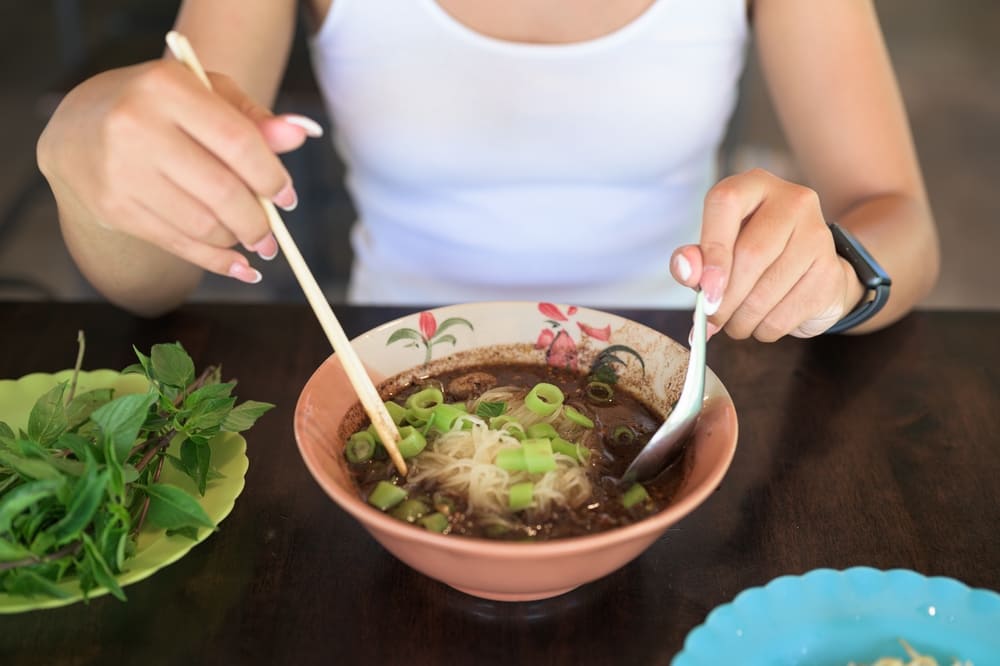
Thai noodle dishes have also adapted to modern culinary trends and changing consumer preferences. Many vendors and restaurants now offer variations that incorporate international influences, alternative ingredients, or adjusted cooking methods. These include fusion-style noodle dishes as well as versions designed for specific dietary preferences, such as gluten-free or vegetable-based noodles.
In urban areas such as Bangkok and Chiang Mai, noodle dishes may be served with upgraded ingredients such as slow-cooked meats, specialty broths, or locally sourced herbs. Coastal regions often feature seafood-based noodle dishes, particularly those made with glass noodles and savory sauces. Despite these changes, traditional preparation methods and core flavor profiles are still widely used.
A Cultural Staple That Continues
Noodles remain a widely consumed food in Thailand, appearing in both everyday meals and well-known national dishes. They are prepared in a variety of forms that reflect regional differences and local ingredients. Their continued popularity is supported by their versatility, affordability, and integration into both traditional and modern cooking styles.
Common dishes such as Pad Thai, noodle soups, and glass noodle salads demonstrate the range of preparation methods used across the country. Noodles remain a staple of Thai cuisine and are found in both street food and restaurant settings.